


When the enthusiasm of online gaming starts to feel less like fun and more like a urge, having a dependable way to break and recalibrate becomes essential https://casinoprincess.fr/responsible-gambling/. A cooling off period is a organized, time-limited break that a player can initiate on their account, temporarily stopping access to all gaming activities. Unlike permanent self-exclusion, which is often kept for more severe cases of problem gambling, a cooling off period is intended as an early interruption tool. It permits individuals to withdraw for a set number of days, weeks, or months without closing their account forever. At Princess Casino, this system is treated as a core component of responsible gambling, giving players the means to halt harmful cycles before they intensify. During the cooling off phase, the account remains visible but inaccessible for deposits, wagers, and bonuses, building a protective wall that encourages reflection and renewal without the stress of immediate decision-making.
Integrating Cooling Off with Additional Safer Gambling Tools
A cooling off period is most beneficial when it works as one component within a wider personal strategy for responsible gambling. Reality check notifications, which pop up at set intervals to show the duration of the current session, help maintain awareness of time spent. Deposit limits, whether daily, weekly, or monthly, cap the amount of money that can enter the gaming environment, effectively preventing how much can be lost. Loss limits function similarly but track net losses instead of deposits, delivering a tighter control on actual financial impact. Session time limits can force a mandatory logout after a predetermined period, disrupting extended play sessions that lead to fatigue and poor decision-making. Together, these tools form a comprehensive defence. A player returning from a cooling off break who immediately sets a low weekly deposit cap and activates 30-minute reality checks is far less likely to slide back into problematic patterns than someone who relies on willpower alone. The psychological benefit of pre-commitment is well documented; by making decisions in a calm, reflective state and locking them in through platform tools, players sidestep the distorted thinking that emerges during an intense gambling session.
Employing the Break for External Support and Education
The time during a cooling off period provide an thestar.com excellent window to engage with external resources that can build a player’s long-term resilience. Organizations such as GamCare, Gambling Therapy, and Gamblers Anonymous offer free, confidential support ranging from online chat services to structured peer group meetings. These resources assist individuals grasp the mechanics of gambling addiction, which often stems from not a lack of willpower but a hijacking of the brain’s natural reward pathways. Educational materials describe concepts like the illusion of control, near-miss effects, and the gambler’s fallacy, giving players the intellectual tools to spot when a game is manipulating their perception. Financial counselling services can help assess and repair damage caused by overspending, while mental health professionals can tackle co-occurring conditions like anxiety or depression that frequently fuel excessive gambling. Stepping away from the gaming screen makes room for healthier habits to take root—regular exercise, improved sleep patterns, and reconnecting with offline hobbies all rebuild the brain’s ability to find pleasure in activities that do not involve financial risk. The cooling off period, in this light, is not just an absence of gambling but a space for active rebuilding.
What Takes Place When the Cooling Off Period Finishes
When the pre-selected duration ends, the account routinely returns to its standard active state, typically without any fanfare or extra steps needed from the player. The system lifts the restrictions exactly at the time the cooling off was scheduled to end, giving full access to depositing, withdrawal functions, and all offered games. An email notification is typically sent to alert the player that the break has ended, though the specific timing of this notification can change. This automatic reactivation is deliberate, as a cooling off period is intended to be a bounded break, not a permanent barrier. However, operators like Princess Casino firmly advise players to utilize the closing moments of the cooling off period to define new deposit limits, loss limits, or session time reminders prior to they resume playing. This reflection moment is perhaps the most beneficial aspect of the entire process; the player comes back with a more lucid mind and the chance to put in place structural safeguards that will stop the same worrying patterns from restarting. If, upon return, the player experiences the urge to gamble intensely right away again, that is a notable signal that a greater cooling off period or a full self-exclusion may be the more fitting next step.
Steps to Set Up a Cooling Off Period on Your Account
Activating a cooling off period on most well-regarded platforms, including Princess Casino, is structured to be a simple process that requires minimal steps. Typically, the player accesses their account and goes to the player protection or account settings section, where a specific option for cooling off is plainly displayed. The interface then presents a selection of duration options, which may range from a solitary day up to six weeks or extended, according to the operator’s configuration. Once the player selects the chosen period and confirms the choice, the restriction becomes active immediately, often requiring a final password verification or two-factor authentication to stop accidental activation. It is essential to know that this action is impossible to be undone by customer support before the selected time expires; this irreversibility is by design, safeguarding the player from rash reversals made in a moment of impulse. The system might send a confirmation email summarizing the terms and end date of the cooling off period, giving clear documentation of the commitment made. No reason is needed to activate this feature, and the decision remains entirely private, handled with the same data protection standards as all account information.
What Occurs to Funds and Bonuses During the Break
A frequent concern when initiating a cooling off period relates to the state of account balances and active bonuses. During a cooling off break, the player’s real money balance stays untouched and safely held in the account, though it is completely inaccessible for wagering or withdrawal during the restriction window. The instant the cooling off period expires, full access to the balance is restored without any penalty, enabling the player to resume normal account functions or to proceed with a withdrawal if they so choose. Active bonuses and pending wagering requirements are handled according to standard terms; if a bonus has an expiration date that falls within the cooling off duration, it will most likely be forfeited, which is an important detail to check before activation. Players with significant open bonuses may prefer to either complete the requirements beforehand or accept the loss as part of prioritizing mental health. This forfeiture policy is not punitive but practical, as bonus terms are time-sensitive and cannot be paused indefinitely. To assist with planning, support teams can provide clarity on how specific promotions will be affected before the cooling off period is locked in, enabling an informed choice without jeopardizing the protective break.
Widespread Misconceptions Concerning Cooling Off Periods
Several enduring myths prevent some players from using a cooling off period even when they identify troubling behaviour in themselves. One misconception asserts that starting a cooling off period marks a user as a problem gambler and that this label will accompany them across other platforms. In reality, each operator maintains its own responsible gambling records confidentially, and activating a break on one site does not label the player across an entire network of unrelated companies. Another incorrect belief is that a cooling off period is solely for players who have hit rock bottom, while the tool is especially designed for early stage concerns and prevention. Some people worry that any restriction on their account indicates weakness or a lack of control, yet the decision to take a break demonstrates precisely the opposite: self-awareness and the strength to act on it. There is also confusion that once a cooling off period starts, returning demands a long verification process; as explained, reactivation is automatic and immediate once the time expires. Correcting these myths is vital because each one acts as a barrier that traps a player trapped in an escalating cycle. A cooling off period is merely a practical, private health measure, no more judgmental than someone opting to take a break from alcohol for a month to evaluate their habits.
The Psychological Reset of a Mandatory Pause
The significance of a cooldown period runs deeper than basic account limits; it leverages a concept well established in psychological science known as stimulus control. The gambling interface, with its flashing lights, celebratory sounds, and quick bet settlement, has been finely engineered to enhance interaction and emotional stimulation. Eliminating access to this stimulus setting, even for a short window, begins to weaken the habitual links that drive compulsive play. The brain gradually adapts to the removal of steady small rewards, and the intense cravings that surface during the early days of abstinence typically subside as dopamine systems reset. Sleep quality typically enhances because the mind is no longer rehearsing playing scenarios or calculating potential wins deep into the night. Interpersonal relationships see benefit as concentration and emotional energy return to spouses, children, and friends. The clarity that appears toward the end of a cooldown period enables the player to judge the activity from a remove, raising truthful questions about if gambling provided any real happiness or if it was just a origin of stress, financial strain, and remorse. This change in viewpoint, commonly noted by persons who have utilized a break period well, is the most impactful result of the procedure and cannot be reached without the required distance that only a formal break delivers.
How a Cooling Off Period Helps for Player Health
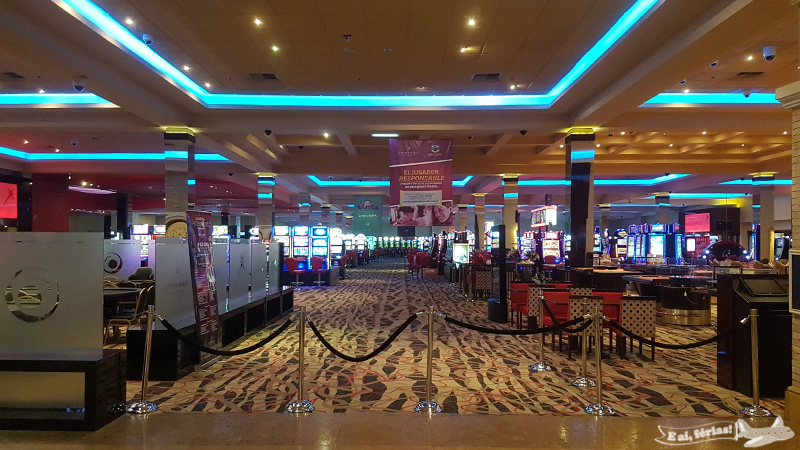
The importance of a cooling off period goes far beyond a mere technical restriction on an account. It constitutes a formal acknowledgement that gambling behaviour exists on a spectrum, and that timely, voluntary actions can prevent the slide from recreational play into disordered gambling. When a player activates a cooling off period, they are engaging in an act of self-awareness that identifies risky patterns before they become ingrained neurological habits. The structured break breaks the dopamine-driven feedback loop that gambling produces, allowing the brain’s reward system to reset to normal stimuli. Finance-related stress also diminishes immediately, as the player cannot chase losses or deposit more funds in an attempt to regain. This financial breathing room can be vital for someone who has begun to dip into money allocated for essentials. The cooling off window offers time to gauge the true financial impact of recent play, to seek counsel from trusted friends, or to examine educational materials about how gambling products are created to encourage persistent engagement. Without such a tool, many players would keep moving between regret and the impulse to play, lacking the necessary distance to make a clear-headed evaluation of their relationship with gambling.
Recognizing the Early Warning Signs
Recognizing when to start a cooling off period needs an frank evaluation of one’s own actions, which is not always straightforward when the rush of potential wins obscures discernment. Common signs include discovering that the extent of time spent gambling consistently exceeds what was initially intended, or that a session set for thirty minutes repeatedly stretches into several hours. Another red flag is the comeback to the platform directly after a significant loss, driven by an pressing need to win back the money instead of by a real desire for entertainment. Frustration or restlessness when unable to gamble, even during short breaks, indicates that the activity is transitioning from a hobby to a psychological dependency. People who start to borrow money, sell possessions, or neglect bills to fund their gaming accounts are seeing clear external consequences. Less obvious but similarly telling signs include lying to partners or friends about the extent of play or feeling embarrassment after a session but still returning the next day. When any of these patterns arise, a cooling off period serves as the most direct, practical step to regain control before the situation escalates.
What Specifically Is a Cooling Off Period
A cooldown period is a optional, short-term pause that a player puts on their own gaming account, spanning from 24 hours to several months based on the platform and jurisdiction. During this interval, the player may not log in to play, deposit funds, or claim promotional offers. The account is put into a dormant state where merely support functions, such as checking past activity or contacting support, might remain accessible. This feature varies significantly from a standard break because it is irrevocable once activated; the user is unable to change their mind and cancel the suspension before the chosen duration expires. The psychological value resides in taking away the immediate availability of the gaming environment, which is frequently the primary trigger for rash behaviour. By implementing a mandatory gap between the urge to play and the ability to do so, a cooling off period interrupts the automatic loop of trying to win back or chasing an adrenaline rush. It acts as a circuit breaker, giving the brain time to refocus and for logical decision-making processes to kick in fully.

The Distinction Between Cooling Off and Self-Exclusion
Many players confuse cooling off periods with self-exclusion, yet the two have different functions and carry different consequences. Self-exclusion is generally a prolonged commitment, often extending from six months to five years or indefinitely, and it usually demands formal steps to restore an account once the exclusion period ends. It is meant for individuals who recognize a serious, ongoing problem with gambling and need a complete separation from the platform. A cooling off period, by contrast, is more limited, more flexible, and intended as a proactive measure rather than a last resort. View a cooling off period as pausing on a video, while self-exclusion is more similar to putting the remote control away entirely. At Princess Casino, both options are offered, and customer service can help a player determine which route is more appropriate based on their current circumstances and the severity of their worries. The existence of both tools facilitates a layered response to gambling issues, ensuring that players do not have to wait until a full-blown crisis develops before they can take safeguarding action.
The Regulatory Structure and Operator Responsibilities
Break periods are not just a gesture extended by generous operators; in various jurisdictions, they are a statutory obligation embedded within the licensing terms that permit online casinos to operate. Regulators such as the Malta Gaming Authority, the UK Gambling Commission, and multiple European national agencies enforce stringent rules that require operators to provide easily accessible, clearly described cooling off and self-exclusion mechanisms. These rules often specify that the feature must be noticeable, easy to activate, and irreversible for the chosen duration. Authorized operators also have duties to train customer service staff to identify players who might benefit from a break and to direct them toward the correct tools without prejudice. Failure to provide these measures or to respect an activated cooling off period can lead to severe penalties, including monetary penalties, permit suspension, or cancellation. For players, this legal framework offers an key degree of trust; when they initiate a cooling off period at a duly licensed casino like Princess Casino, they are not depending on corporate goodwill but on enforceable regulatory standards designed to focus on consumer protection. This infrastructure exists specifically because research and experience have demonstrated that easy access to breaks lessens harm across the whole player community.